Conditions on the Great Ocean Road in 2026 are as much a matter of the swell and wind as they are of the season and where you put in your board. The Southern Ocean puts on its most dependable swells in autumn and winter. Summer is when you will find warmer air and lighter water at some beaches, making for an easier session if you are a novice. Ultimately one’s ability to put up with cold water and the right equipment will dictate the ideal time to be out there.
I am Lucy McIntyre. In my experience there is no difference between how I plan a trip and beauty aftercare: I like clear directions and to have expectations in check, and I do not make a virtue of being uncomfortable. You can have a fine sunny morning on the Surf Coast and still be met with cold water and strong currents, not to mention a car park full of people with the same notion.
Great Ocean Road Surfing In 2026
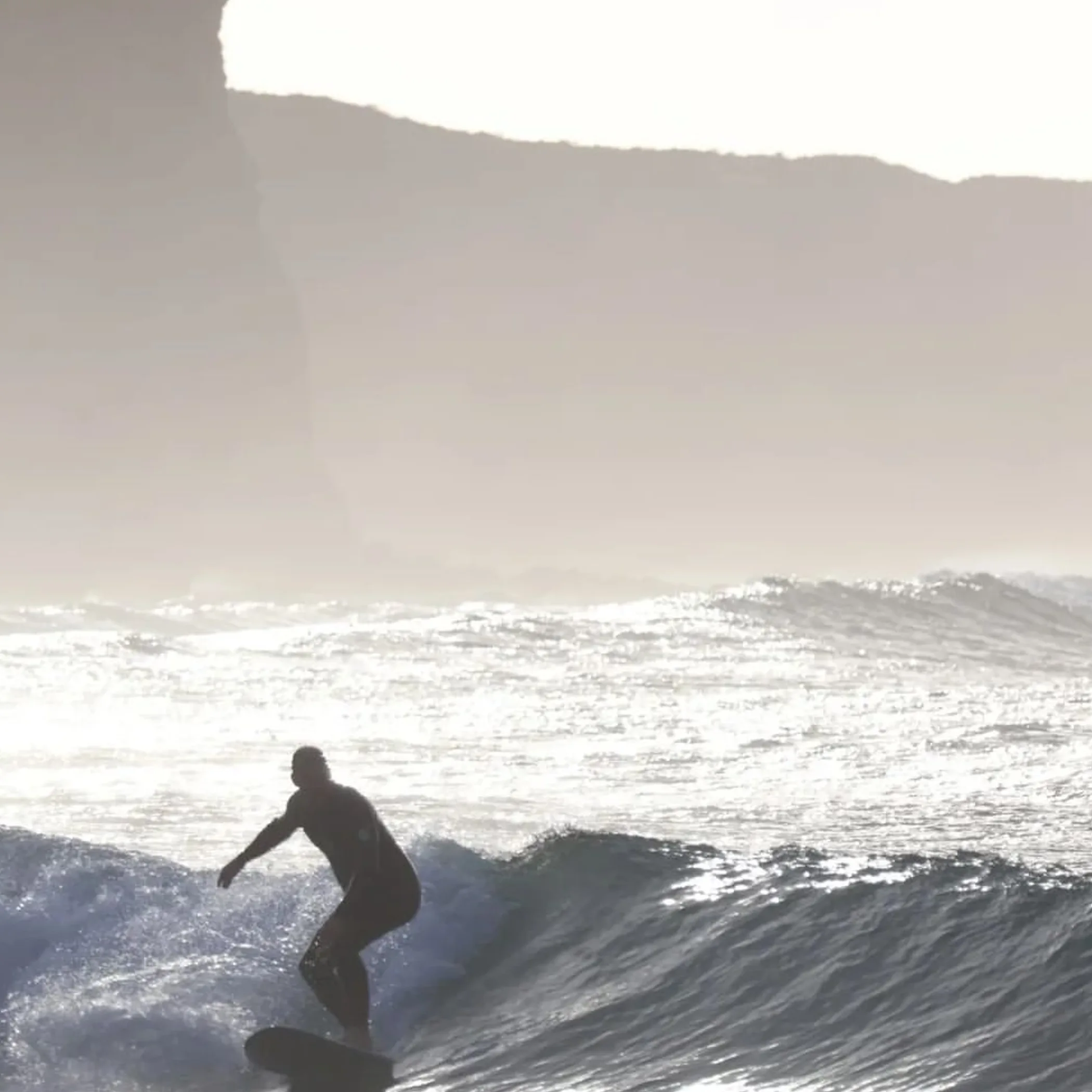
From reef and point breaks to beach breaks, this part of Victoria has it all. But Torquay, Jan Juc, Bells Beach, Winkipop, Anglesea and Lorne are not alike; each has its own way of dealing with the tide and wind. A day that is good at one end of the road may be unimpressive at the next, especially when chasing the iconic Bells Beach wave.
Before you head out, consult the Bureau of Meteorology for their Victorian forecasts on the weather and coastal conditions. That said, the Bureau is no replacement for an honest appraisal of your own skill or for having a look at the lineup and the rips.
What To Expect Of The Conditions
Weather systems in the Roaring Forties send Southern Ocean swells to the Victorian coast. A SW groundswell in the cooler months will give you long-period waves of some power. An afternoon sea breeze has a way of turning a clean session into something choppy, though north-west or north-easterly winds can be an asset at certain exposed breaks.
Do not be guided by wave height alone. The period, the banks, the local currents and direction of the wind will alter the character of the wave. A new surfer would be hard pushed to handle even a small wave at Bells Beach, but a more accommodating place to learn might be found at a modest break in Anglesea.
Reliable Swells In Autumn
If you are an experienced surfer, autumn (March through May) is the best bet for the Great Ocean Road. The Southern Ocean is more active and the summer crowds have thinned. It is a sensible time for those who wish to pair some road tripping with their surfing. There is quality swell to be had without having to put in every day with a storm, but the weather is fickle. Bring a dry set of clothes, there is nothing very appealing about sitting in damp boardshorts outside a bakery.
Patterns From March To May
Offshore winds will put a nice face on the wave in the morning before the sea breeze comes in, so an early start is well worth it. Some open beaches put on better shape with a north-easterly, but then again it is very much a local affair. Intermediate and advanced types will have no trouble with the stronger currents and variable size. For the beginner, a lesson and a supervised beach session are preferable to wading into a packed lineup or an unknown reef.
Experienced Surfers Will Find Their Reward In Winter
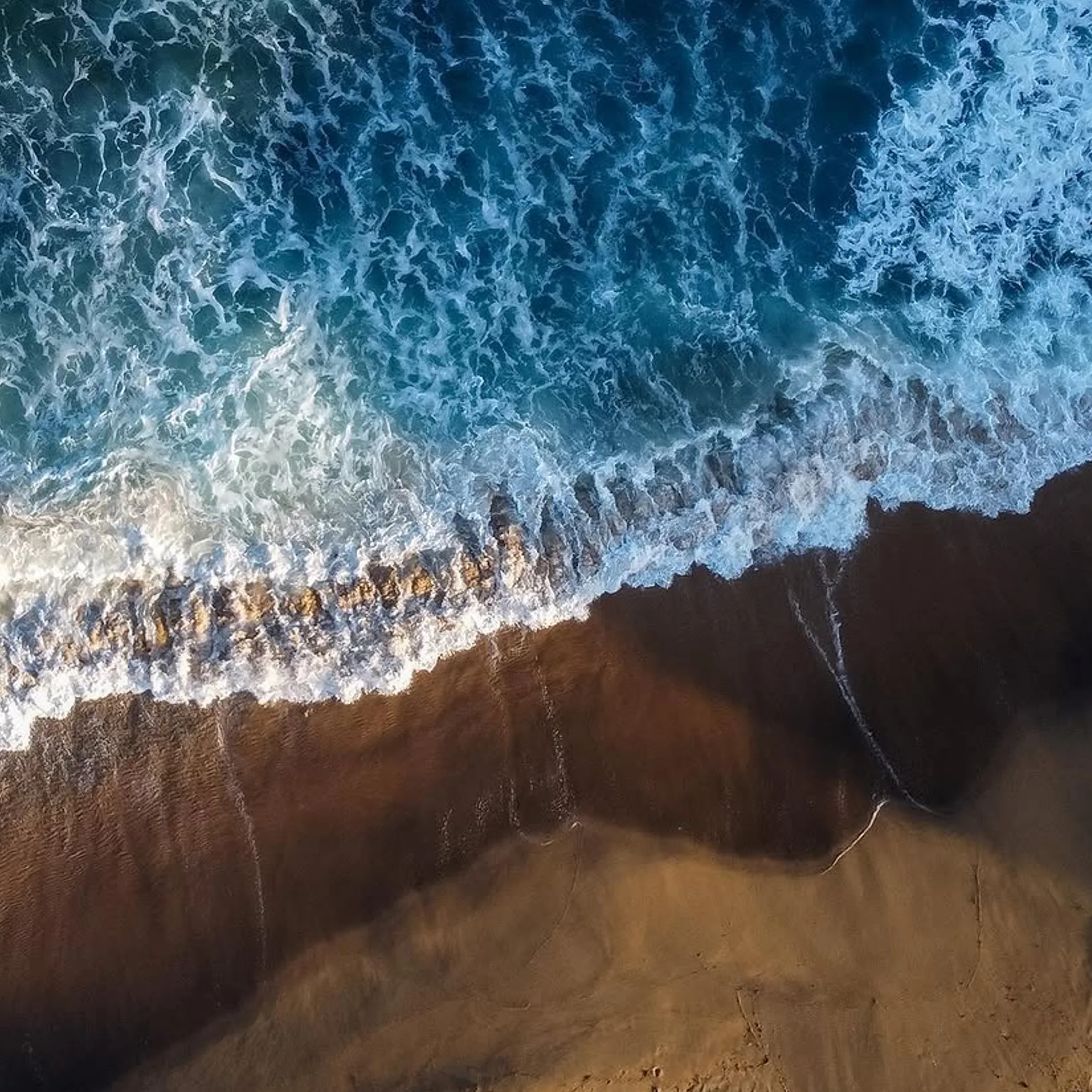
The larger, more powerful swells from the Southern Ocean come in the winter months of June to August. Bells Beach and Winkipop and the like will see some fine surf, yet the energy that makes for a good wave also magnifies the outcome of any ill-considered move.
With the short days and rougher weather, winter is not for the casual visitor. When the wind and swell are right you are rewarded with clean, powerful surf and a coastline to yourself.
Hazards In The June To August Period
A winter surfer must have the paddle fitness and duck-diving to back it up, as well as the know-how to spot a rip or a safe exit. Lower tides at the reefs mean rocks are laid bare and a big set can keep you under longer than you think. If you are not sure you can deal with it, stay on the sand and count it as research.
Not every surfer will want to make winter their season. It is the domain of the more seasoned surfer after some size and energy; beginners would do better to seek out a smaller, sheltered break on occasion.
Changeable Conditions In Spring
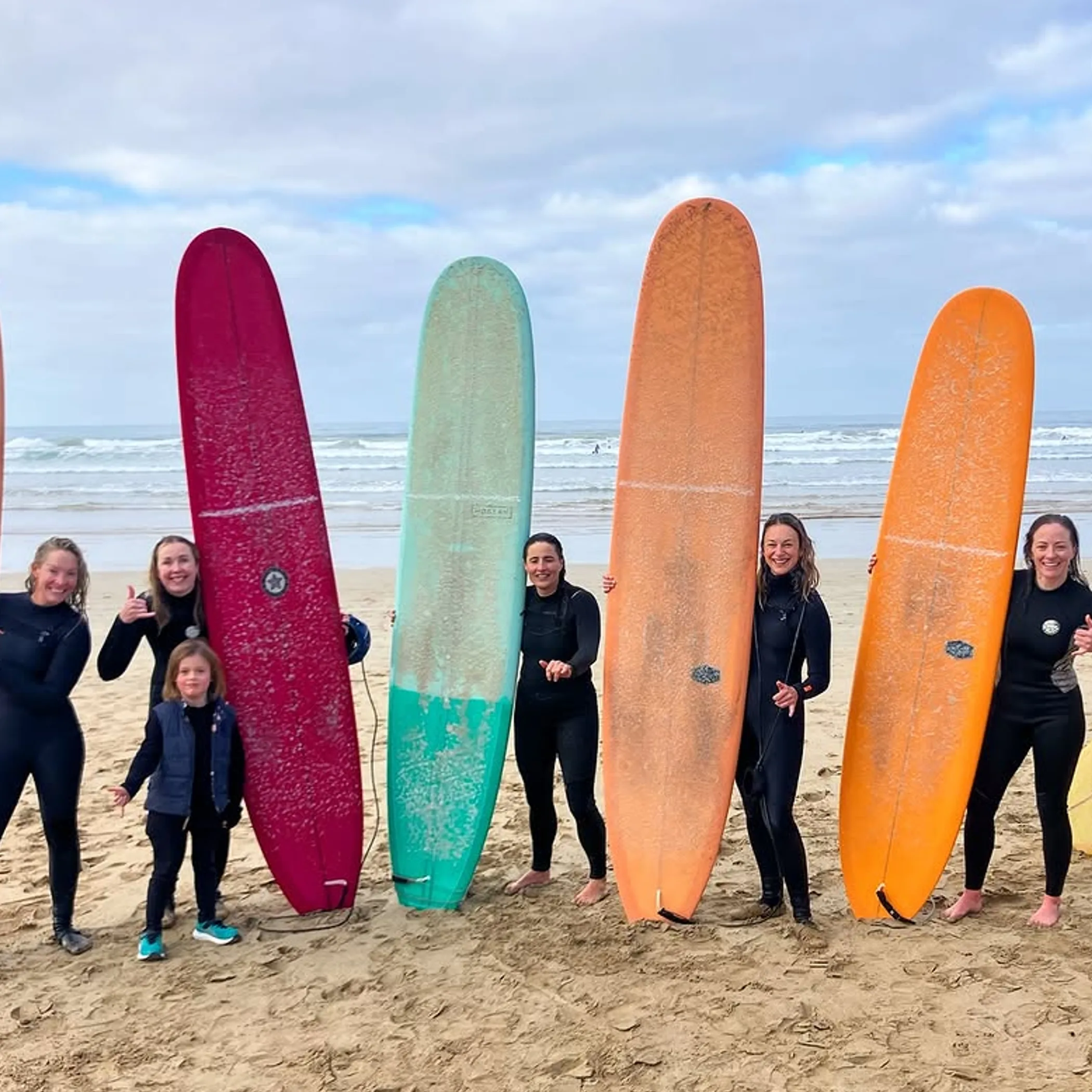
Changeable is the word for spring (September to November). The season will put in its share of late-winter swell as well as calmer days, but one has to be prepared for cold mornings and winds that have a way of shifting on a whim.
For those intent on putting in some surf time and seeing the Great Ocean Road without making the whole trip an exercise in enduring winter’s heft, spring is a sound compromise. Do not set your schedule in stone; what is clean on one part of the coast may be blown out on another.
Options from September through November
An experienced surfer will be on the lookout for early offshore winds and the direction of the swell. Intermediates are better off at beaches with a clear channel and wave faces to be had. As for beginners, do not be fooled into thinking warmer air equates to an easy surf; the water and the power of the waves tend to be a step behind the sunshine.
Then there are the weekend crowds and school-holiday traffic to contend with, as well as the surf schools in Torquay, Anglesea and the like. Fixed dates call for booking lessons and a room in advance.
A flexible beginner will find summer to his liking
December to February means more visitors and longer days under warmer skies. While the conditions can be on the small and variable side, making them right for a novice at the proper beach, do not count on glassy water come summer.
It is best to be out in the morning to get lighter winds before the sea breeze picks up in the afternoon. An onshore wind will make short work of a fine wave and leave you with a washing machine, so have a look at the beach first before you break out the boards.
The realities of December to February
First-timers will often find the most convenience in summer when it comes to arranging transport or dealing with hire shops and surf schools. One can put in a session at Torquay or Anglesea, or some of the beaches near Lorne if the day is amenable.
But there are crowded car parks and lineups to deal with and the sun is stronger. Be sensible around the rocks and drink plenty of water; never surf by yourself. There is still a need to have some respect for your fellow surfers and an understanding of rips, no matter how small the wave.
Surf spots to match your ability
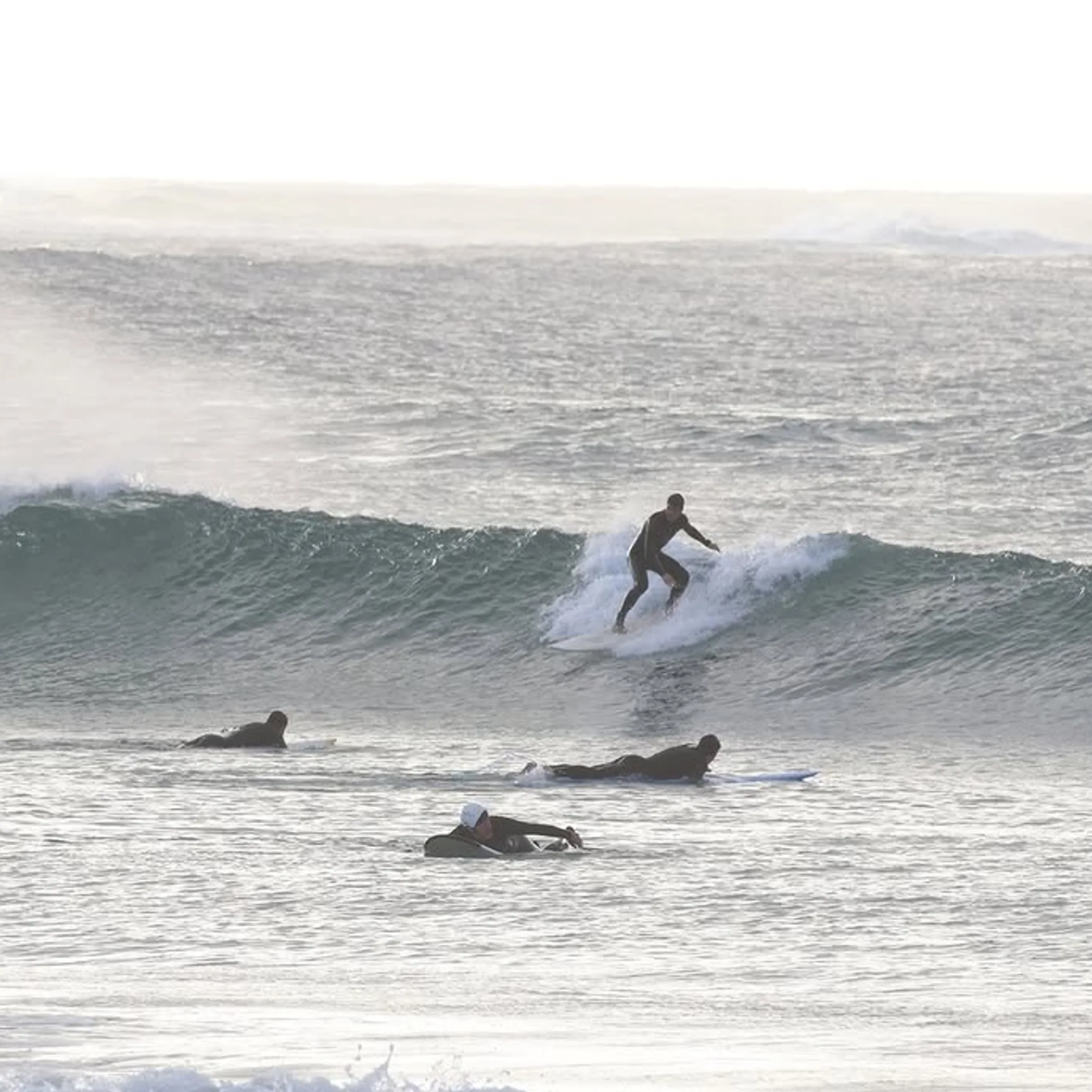
It is of more consequence to pick the spot than to go after the big name. An advanced type will want the power and shape and be able to handle the crowd, whereas a beginner requires a forgiving wave and someone with experience to show the way.
What follows is a table to use as a planning aid, not something as fixed as an inscription on a board, given that conditions are different every day.
| Area | Break Type | Best Suited To | Planning Notes |
|---|---|---|---|
| Bells Beach | Reef and point | Experienced | Exposed, with currents and rocks |
| Winkipop | Reef | Advanced | Consequences are high with large swells or numbers |
| Jan Juc | Beach and reef | Intermediate to advanced | See to it you know the size and rips |
| Torquay | Beach | Beginners to intermediate | A convenient choice, surf schools in evidence |
| Anglesea | Beach | Families and beginners | Varies, pick a section with supervision |
| Lorne | Beach | Beginners, on the day | Access and sandbanks should be checked |
Bells Beach and Winkipop
Do not mistake Bells Beach for a place to have a lesson. The reef and point breaks are capable of very powerful surf and the rock-strewn shore does not forgive errors the way soft sand would. The setting is as good as any, but the wave at Bells is to be met with the requisite skill and patience.
The Rip Curl Pro is an Easter fixture of sorts, though the event calendar is subject to change. If the competition is part of the plan, check the schedule before you book in; roads and parking are not going to be quiet when the major events are on.
Jan Juc and Torquay
Jan Juc is a step up from the beginner haunts but no pushover. Take stock of the beach and the rip, and steer clear of the rocks if you are in any doubt about getting out.
Newcomers will find Torquay the easiest base with all the accoutrements of food, hire and surf schools on hand. It is popular too, so weekends and holidays bring their share of people. You will have a quieter time with an early lesson than trying to learn in the late afternoon once the wind is up.
Anglesea and Lorne
When it is small and under supervision, Anglesea is about as approachable as it gets for a Great Ocean Road beginner. There are still busy times and changing banks and currents to be aware of, so heed the advice of the instructors and stay in the area they recommend.
The right day at Lorne will see the beach put on a show of waves that are manageable for a learner, with a safe zone to boot. It is a good place for a traveller to put in a slower coastal day, but one should not mistake a laid back town for water without its risks.
Gear, Temperatures and Safety
You will want a wetsuit in Victoria all year round as the water is cool. Do not put it to the test on the off chance of a warm afternoon; plan for comfort given that temperature is at the mercy of the season, weather and where you are. A 4/3mm steamer is what many surfers will opt for in winter, a 3/2mm more so in the warmer months or if you tend to run hot. For cold feet or a rocky entry there are booties, and in winter a hood can come in handy. The local hire shop or your surf school will have the equipment to match the conditions.
Practical Packing Checklist
- A wetsuit to the season, dry clothes and a towel.
- Sunscreen, hat, wax, a leash and water. Put the phone somewhere it will be out of the spray.
- First-aid, fuel to get back and offline directions.
- Booties or a hood if the wind, rocks or water call for it.
Timing, Parking and Access
Most visitors make Torquay their base for the services on offer. Lorne and Anglesea are fine for a road-trip, yet parking is at a premium on a warm weekend. Factor in some time to secure a legal spot, make your way to the beach and check things over from a car park full of people before paddling out.
Make of it a full travel day when you drive from Melbourne and put in the time for traffic and a bite to eat. A car has its advantages over public transport which may not put you at every break, but do not push on with a long return after a session of surfing when you are tired.
Risks Most Visitors Overlook
Wave height gets all the attention and rips, fatigue, cold shock, the tides and rocks are ignored. From the vantage of the car park a beach can seem placid while there is a strong lateral current at work. Put aside the online report and do not go in unless you know how you are getting out safely. Heed the signage and stay out of the way of those on bigger waves. If the conditions look rough they are. There is nothing to be won by making an unpaid rescue job of your holiday.
A Plan for One Day
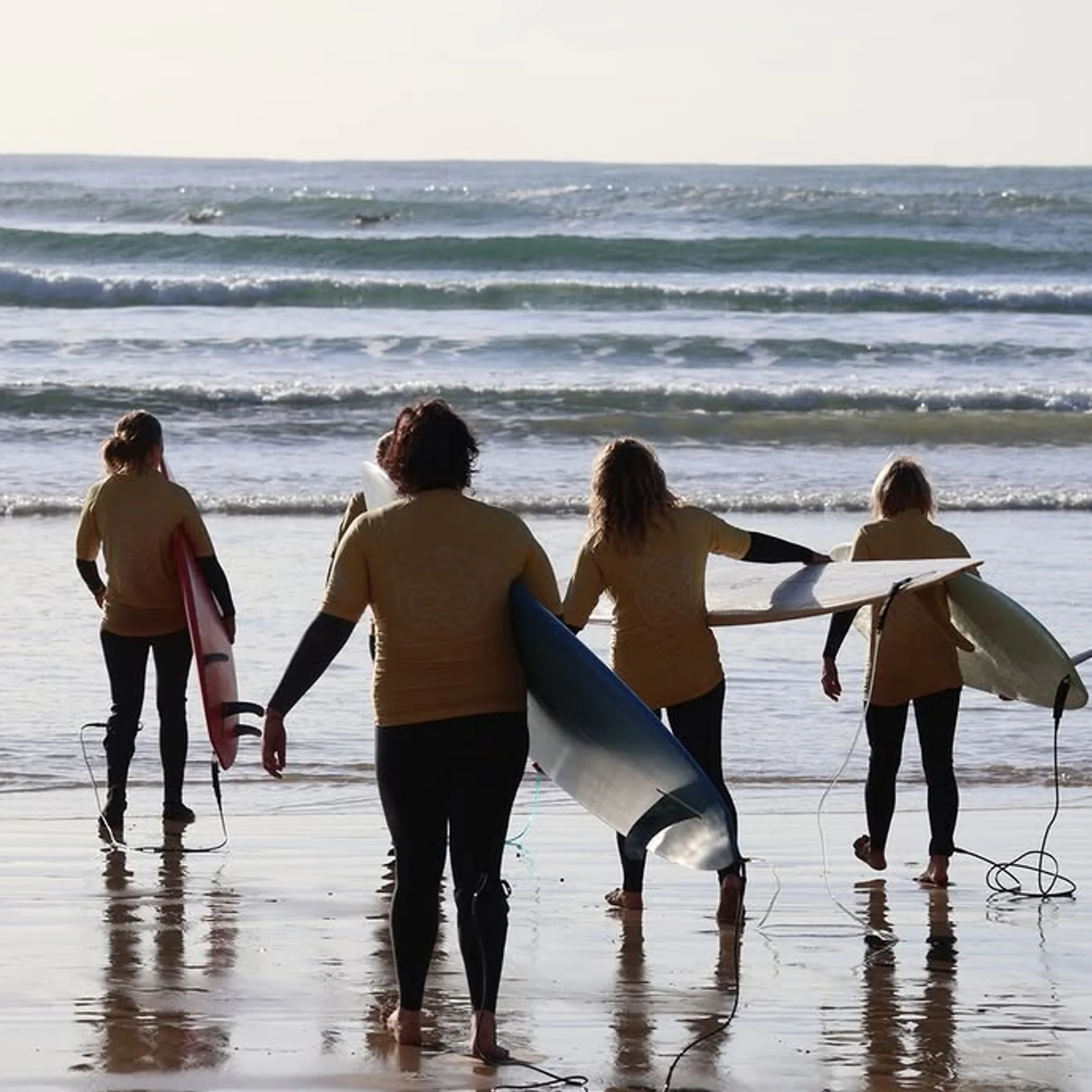
There is no need to run the gauntlet of the coast’s well known breaks; Torquay or Anglesea will do. You will have time to put in a lesson and enjoy the drive instead of chasing a swell that is gone.
Get the forecast and a look at the beach early on, then sort out a lesson or gear ahead of the rush. When you are done with the surf, have a proper meal and a hot shower and drive home with some realism. An itinerary is only any good if it leaves you well and truly tired.
- Do not leave without checking the latest on the wind and coast.
- Be there in time to park and stand and watch the water for a few minutes down the access track.
- Pick a break you have the ability for or a beginner area with supervision.
- Call it quits before the light fails or the wind turns and you are too fatigued to make the return in safety.
What you expect and what you get
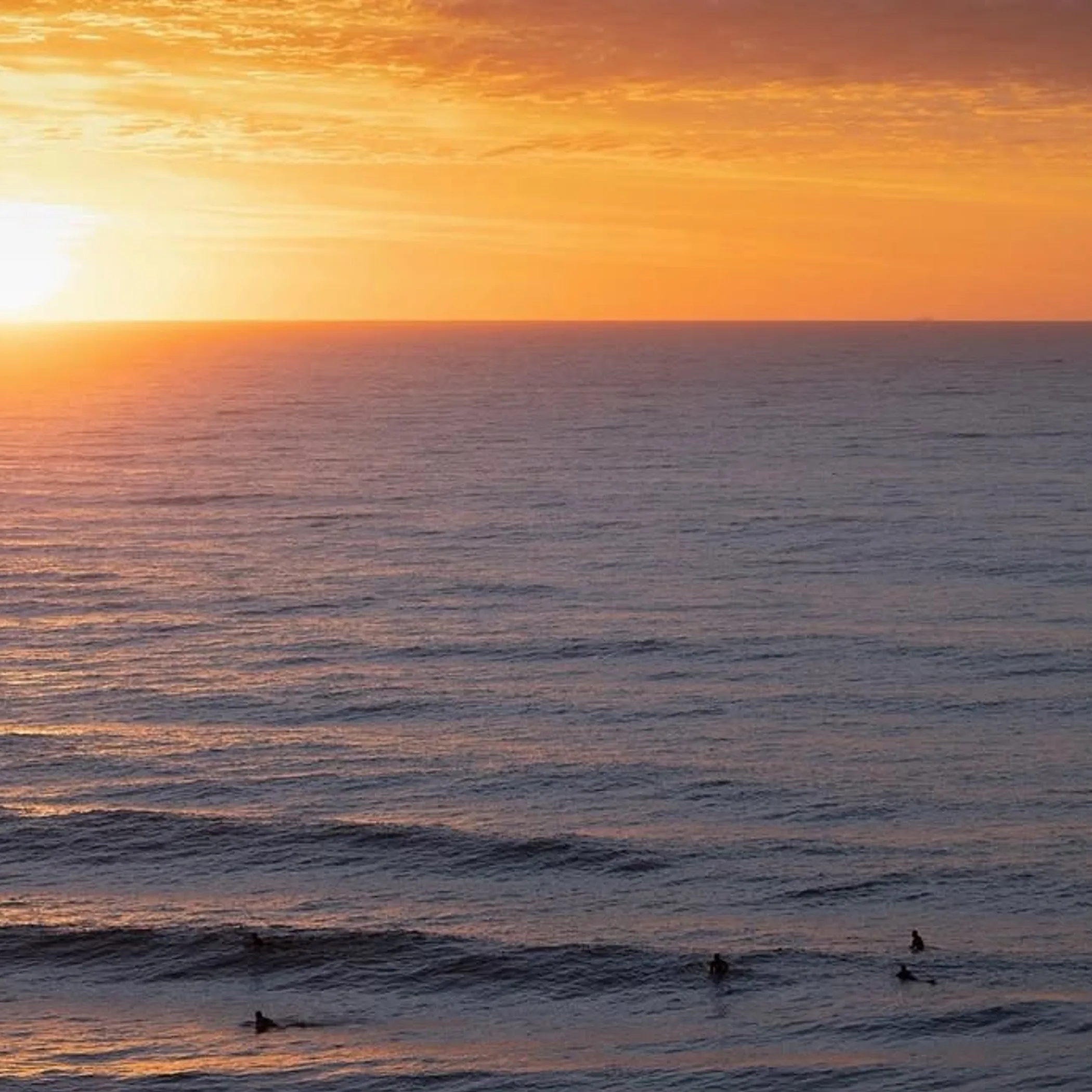
Expectation is that summer will provide warm, clean waves for a novice. In reality you may have an ideal day to learn, but also flat water, an afternoon of wind and the crowds to go with it. One might think of Bells Beach as Torquay on a grander scale. In fact the breaks are altogether different in terms of power, what is underfoot and the consequences. And while a forecast figure can seem to say it all, you will find that wave period, wind, tide and direction are what make for an enjoyable session or turn it into a dog’s breakfast.
Frequently Asked Questions
The sort of questions I put to mind before putting a board in the car or enrolling in a lesson, let alone making claims of being “pretty good in the white water”. Do consult local information near the time of your trip since conditions and event details are not set in stone.
What Is The Best Time Of Year To Surf The Great Ocean Road?
It is a matter of where you are and how able you are. Autumn and winter are the go to for seasoned surfers wanting the consistency of a Southern Ocean swell. Then there is spring with its changeable if not useful conditions; summer will do for a novice when the morning winds are light and waves small.
Is Bells Beach For Beginners?
As a rule no. There are rocks, reef breaks and currents to contend with and the waves have their power. It is better to take a lesson at a more appropriate beach in the vicinity of Torquay or Anglesea, weather permitting.
How Are The Summer Conditions?
You could be looking at some messy and windy surf or something small and easy to handle. An afternoon sea breeze has a way of spoiling the quality of the waves so mornings are preferable. Expect the crowds on a warm weekend or during the holidays.
In Victoria What Wetsuit Is Required?
A 4/3mm steamer will see you through the cold of winter, a 3/2mm is fine for the warmer part of the year. But then again it comes down to the water and wind chill and one’s own tolerance. The hire shops and surf schools are best placed to give you sound advice for the day.
Beginner Beaches In The Torquay Area?
There are places in Torquay, Anglesea and around Lorne that will accommodate a beginner provided the waves are not up and there is instruction on hand. Be sure to pick a supervised spot and hearken to the lifeguard or surf school as to rips and where to stay.
Rip Curl Pro Bells Beach Dates?
Normally it is an Easter affair but the schedule is subject to change. Make sure you have the latest on dates before you book your transport or accommodation in an effort to sidestep the crowds.
Wave Size At Bells?
Dependent on the direction, wind and the Southern Ocean swell. A long period or an exposed reef can make for some very demanding surf at Bells, far more so than the forecast would have you believe.
Better In Autumn Or Winter?
Autumn has a certain versatility, a good mix of daylight and swell without the travel difficulties. Winter will give you bigger and more powerful waves but at the cost of colder weather and risk. If you have the skills and gear to put up with it, winter is fine, otherwise autumn is the wiser option.
Plan Accordingly
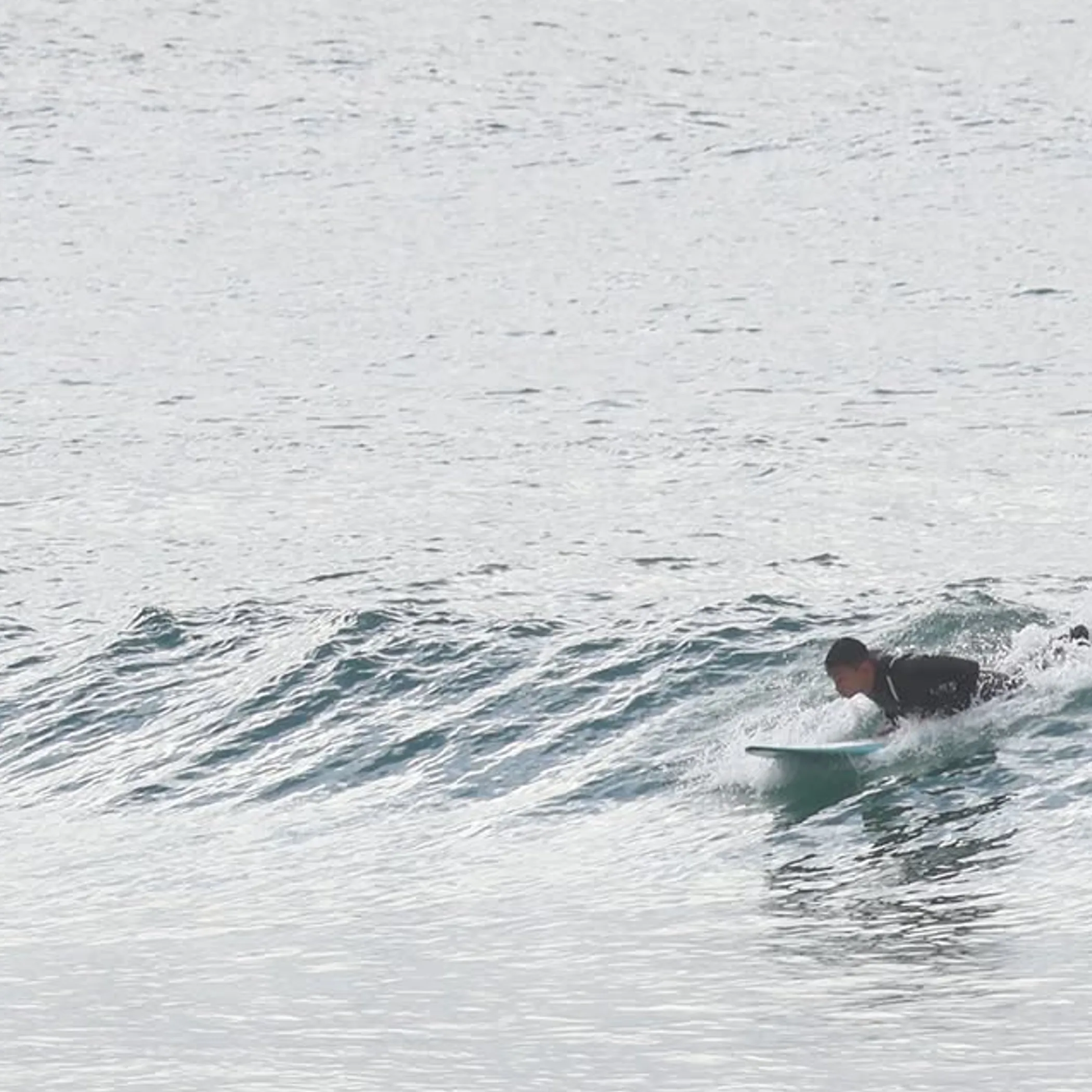
Do not mistake the Great Ocean Road for a single break with an extended driveway. From Jan Juc to Winkipop, from Lorne to Bells Beach and Torquay, every part of this coastline calls for its own appraisal.
To get the most out of a 2026 surf on the Great Ocean Road, be sensible about the season and your ability, look at the forecast before you leave and get an early start. And know that the right call can be to forgo the surf. The ocean is not going anywhere and will be there tomorrow, smug as ever.