It does not take long for a burst pipe or blocked drain to do serious water damage in Australia. Whether it is an overflowing toilet, a hot water system on the fritz, a sewer backup, gas leak or any of the other usual suspects, one has to be sensible about the response. Then again, an after-hours call out is not called for with every tap that is dripping.
I am Lucy McIntyre. One learns from experience, sometimes the hard way, that a minor plumbing fault can turn into a household drama in no time. Here I will set out what constitutes a real emergency and how to handle it until help is on hand, as well as when it makes sense to ring an emergency plumber Preston you can rely on in this country.
How To Define A Plumbing Emergency
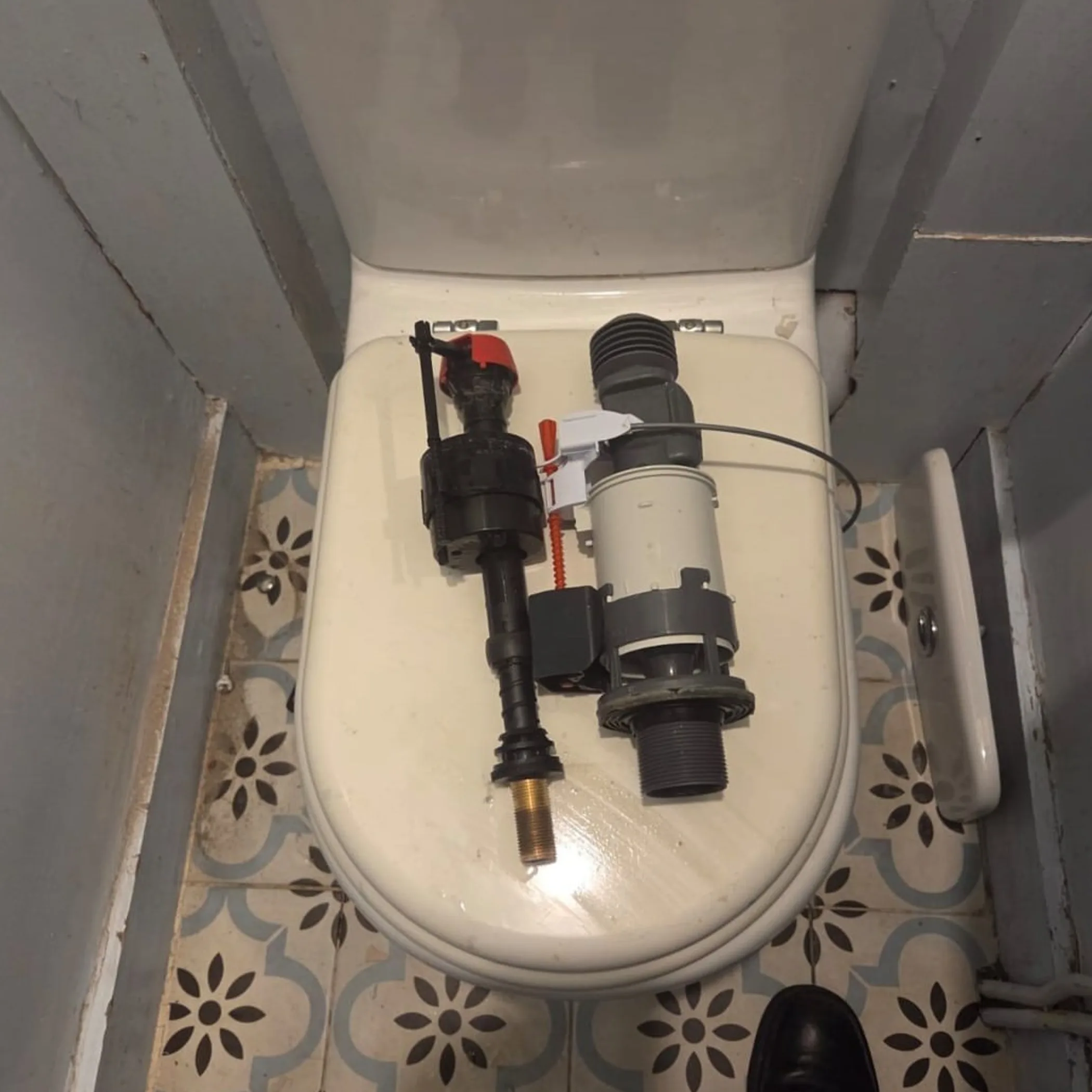
By definition, a plumbing emergency is a sudden breakdown of some kind that puts essential services, sanitation, property or people at risk. The issue is not so much the unsightly nature of the problem but whether it is escalating, posing a safety hazard or will see major damage to your property if action is not taken.
A drip from the tap is maintenance. But a pipe spraying into a wall cavity, raw sewage in the home or a possible gas leak is another matter altogether. There is an art to plumbing turning a perfectly normal Tuesday into a sodden obstacle course.
The Risk Dictates The Urgency
If a hot water unit is leaking badly, you have a toilet that is out of order in a one-bathroom house, or you cannot get the water under control and sewage is running over, then make the call to emergency plumbing. Where there is a suspected gas leak, treat it as such; evacuating and getting the gas emergency service involved takes precedence over sitting around for a general plumber.
Safely cut off the water. Make sure pets and children are kept from any wet electricals, damaged fittings or contaminated water. Should you smell gas strongly, or have an electrical or fire problem, put some distance between yourself and the property and phone emergency services.
Put A Stop To Burst Pipes
Burst pipes are a quick route to water damage. They can be the result of high pressure, a flexible hose under the sink giving way, corrosion, ground shifting, failed joints or even freezing in parts of the country.
Your aim is to gain control, not to play detective. There is no point in ascertaining which fitting has given up before you shut the supply. You will find most people would not regard standing with a torch while the ceiling runs with water as a good plan.
Locate The Main Stop Tap
You will usually find the main stop tap at the front boundary, by the water meter or entrance to the property. There may be an isolation valve for the hot water unit, washing machine or near a basin in some houses. Give the valve a clockwise turn, but do not put force on it should it be damaged or seized.
After you have the supply off, let a cold-water tap run for a moment to bleed off any residual pressure. Put some photographs on file of the damage for the landlord or insurer before you start to clean up, and put rugs, furniture and electrics out of harm’s way if you can.
Leave the permanent fix to a licensed plumber who can properly appraise the structure and the pipe. A temporary measure will keep the water from spreading but it is no replacement for a professional. Do not be tempted to cut into the ceiling or remove linings unless you have the qualifications for it.
Dealing With Blocked Drains
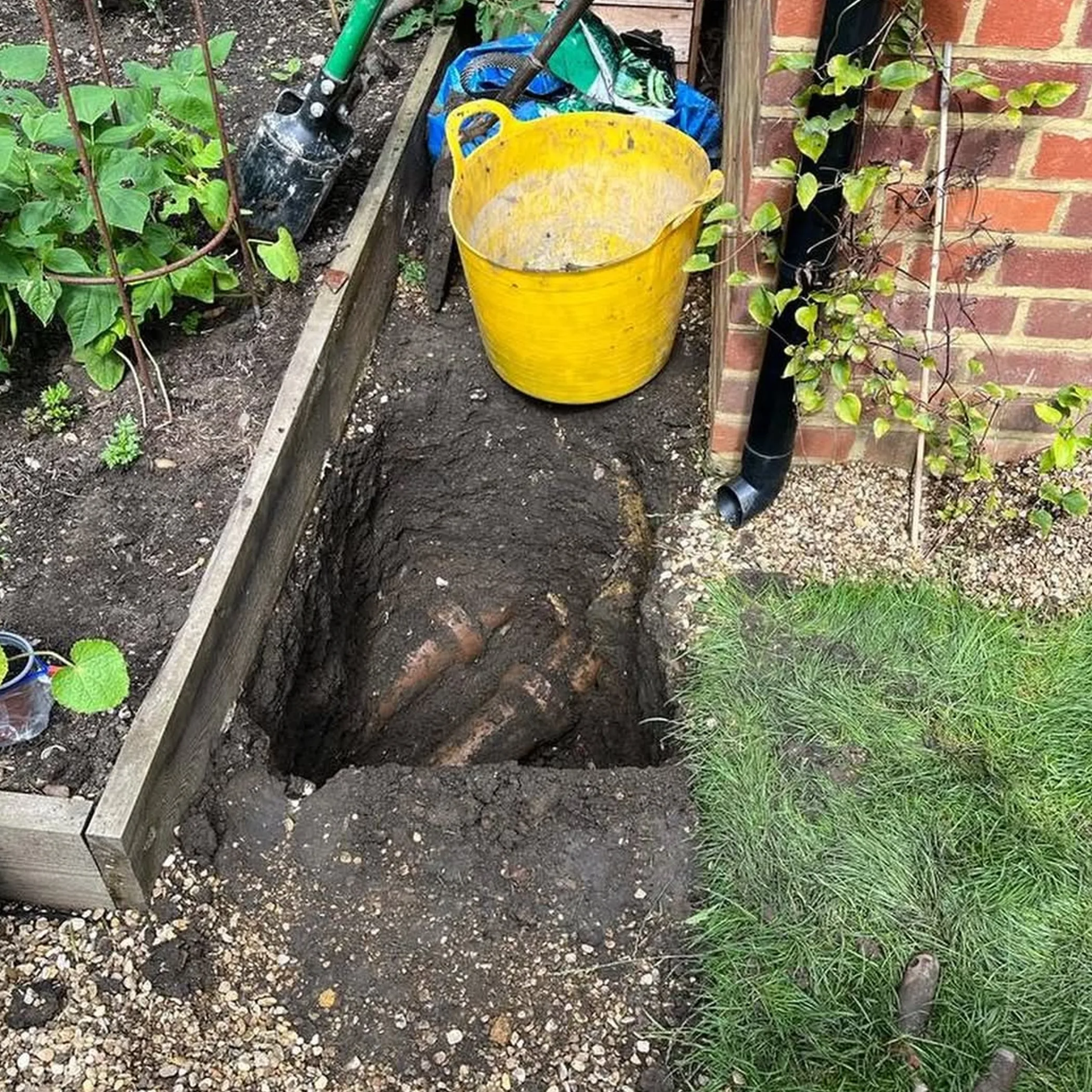
An overflowing toilet or a blocked drain is all too common though the gravity of the situation can differ. A sluggish basin can be left till business hours. A sewer line that is forcing dirty water into an outdoor area or bathroom floor waste demands you attend to it.
People are often caught out by a blockage that is further down the system than the fixture would suggest. And putting more chemical into a recalcitrant drain is only going to make things more hazardous for the plumber who has to come and take the pipework apart.
When A Toilet Or Drain Overflows
Cease flushing right away in the event of a blockage. Shut the isolation valve behind the toilet if you can. Use towels to deal with clean water but do not go about with a mop or bare hands where there is sewage, nor footwear you intend to wear elsewhere in the house.
Under no circumstances mix chemicals or put too much muscle into a plunger if you are seeing sewage back up through a number of fixtures; it could be a sign of a bigger drain or sewer problem. Cordon off the area and let the plumber know precisely what is affected. Where sewage has made its way on to the property, do not come into contact with it. Once the plumbing issue is under control have a professional in to clean up. An overflow will see floors, carpets and other porous surfaces become contaminated. The area should be shunned by anyone who is unwell, immunocompromised or expecting.
Hot Water: A Matter of Care
For a busy family home a hot water system that has given out is an inconvenience if nothing else, yet it does not necessarily amount to an emergency. There is cause for concern however if the unit is leaking or putting out steam, if there are strange noises coming from it, or any risk of fire, burns, gas or tripped electrical protection.
Whether the system is solar-assisted, a heat-pump, electric or gas, one must be circumspect; do not go about relighting a gas appliance on the strength of a smell, nor put hands to damaged wiring or open up covers.
The Safe Basics
See if there is a tripped safety switch, an error on the display or a leak in plain view. Should you be able to do so with impunity, shut the water isolation valve on a unit that is letting water escape. The energy supply can be cut off provided the controls are dry, at hand and plainly marked.
Leave the pressure-relief valve alone, do not put a bucket under a live electrical part or disconnect any pipework. A licensed plumber will know if the fault calls for a new part, a repair or a whole new hot water unit.
Tenants should make use of the proper emergency channel to put the landlord or agent in the picture and have written proof of it. When reporting a problem it is better to be explicit about immediate damage or a lack of safe water than to put down “no hot water” and leave it at that. The details will prompt the right kind of response.
Dealing With Sewer Backups
A sewer backup is not just bad odours. Bathrooms and laundry can be rendered unsafe as it poses a hygiene threat and wreaks havoc on walls and flooring. One may notice slow drains all over, a toilet that is bubbling, or dirty water after a hard day’s use or rain, and foul smells from the floor wastes.
In some of the older suburbs you will find tree roots and debris in the sewer line or a connection in disrepair are to blame for these repeat occurrences. Heavy rain will lay bare any weakness in the drainage but it is best to let a professional put an exact cause to it instead of making conjectures in a wet hallway.
Safeguarding People And Property
Until the source is established, leave the sinks, washing machine, shower and toilets be. Stay away from the contaminated water and for heaven’s sake do not hose it over to a neighbour or on to the footpath or stormwater; you will only be spreading the contamination and making two problems of one.
If essential sanitation is blocked, a shared sewer is backing up or sewage is in the house, get hold of an emergency plumber. Give him an idea of where the fixtures are and if the trouble started with the rain.
For official word on the subject of gas and energy in the home refer to the guidance of the Australian Government.
Gas Leaks Must Be Treated Seriously
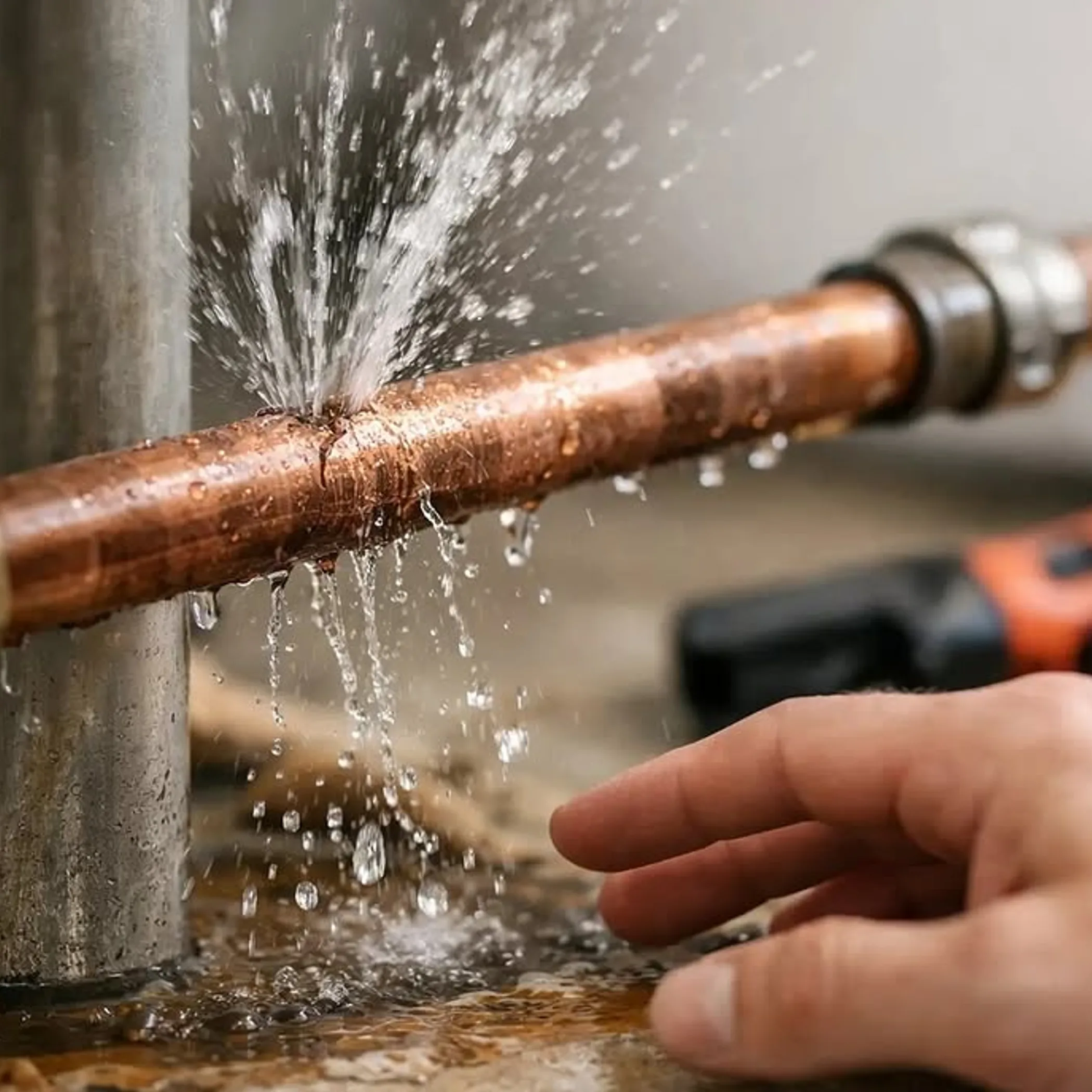
There is no room for complacency with a gas appliance emergency. The tell-tale rotten-egg stench, hissing from the appliance, odd pilot-light activity or even nausea and dizziness could point to something serious, though the nose cannot be relied on to pinpoint it.
From inside do not use the phone, fiddle with the lights, have a smoke or start up a vehicle in a confined space. Get outside and put some distance between yourself and others before you ring the emergency services.
Prioritise Gas Safety
Should the gas meter be accessible without having to put a spark in the air or go through the affected zone, then the supply can be shut per the supplier’s directions. Do not go back in until the authorities or a professional has given the all clear.
Not every incident is for a general plumber to deal with first. Gas work has to be done by someone with the right licence as per state or territory law. In Victoria a household in Preston would be well advised to check the plumber is authorised for what is required and ask for the licence particulars.
A Bit Of Preparation Before Help Arrives
A bit of preparation is in order before the plumber comes. It is better to have a plan than to be improvising with a tea towel and a few rolls of tape in the manner of one mending a barbecue. Put on paper when the trouble began, which fixtures are involved and the condition of the water. If you are renting, get in touch with the agent in accordance with the tenancy while you put in a call for help.
Emergency Checklist
- Make sure to turn off the local water isolation valve or the main stop tap, assuming it is safe.
- Do not use any toilets, sinks, showers or drains that are compromised.
- Make sure there is no contact with sewage, hot surfaces, broken glass or damp electricals.
- Put some distance between your furniture and valuables and any water on the move.
- For your records, take some unambiguous photos of the damage and note the time and the plumber’s details.
- The plumber should be made aware of any parking or access limitations, pets, alarms and prior temporary fixes.
In Preston clear access is a must, particularly in units or where there are shared entries and narrow driveways. Those in an apartment would do well to check the building’s access protocols and let the plumber know about lifts, security doors and where the meter or isolation valve can be found.
Prevent Repeat Plumbing Failures
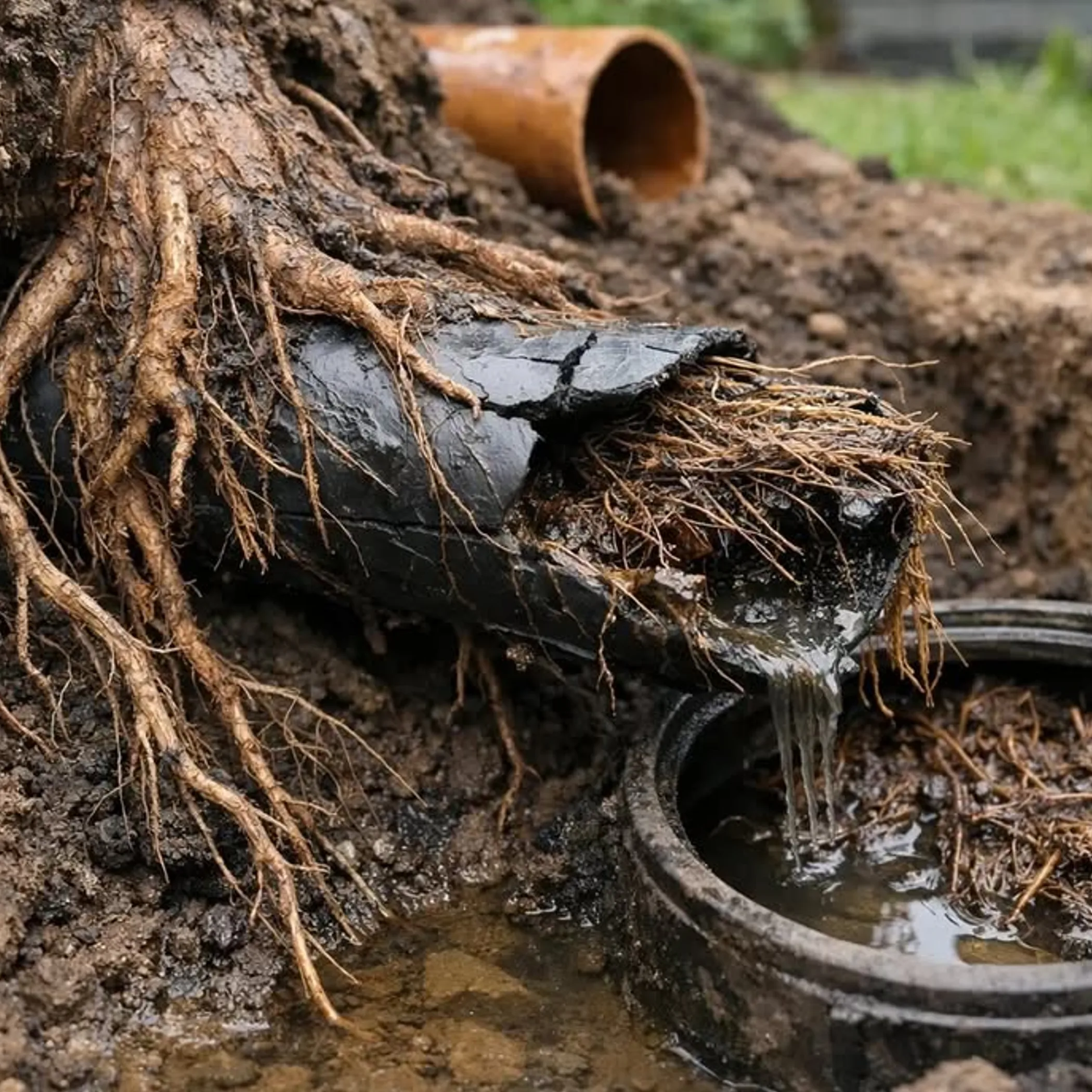
Plumbing maintenance is a more economical and less intrusive way to go than calling for emergency repairs. Regular checks will turn up worn hoses, incipient corrosion and slow leaks before they have a mind to put a stain on your ceiling.
Have a look at the flexible hoses on the washing machine, dishwasher, under the sink and toilet for any sign of rust, bulging or cracked fittings. An old valve that is uncooperative should be put right as part of planned maintenance so it is there when required; do not try to force it.
Reduce Everyday Plumbing Stress
To avoid the usual stress with plumbing, keep the drains and toilet free of grease, wipes, sanitary items and coffee grounds by means of a strainer in the bathroom and kitchen. Be attentive to the performance of the hot water, drainage speed and pressure, as minor variations can be telling.
Should you have a gurgling toilet, recurring blockages, stains on the walls or a hot water system that is prone to tripping, put in for a professional inspection. Chances are the fault has not been properly put to rights if the symptoms persist.
A licensed plumber can be had to examine the pipework, tempering, pipe pressure and valves on a maintenance visit; what is appropriate will depend on the property and its make and age.
Choose Help In Preston
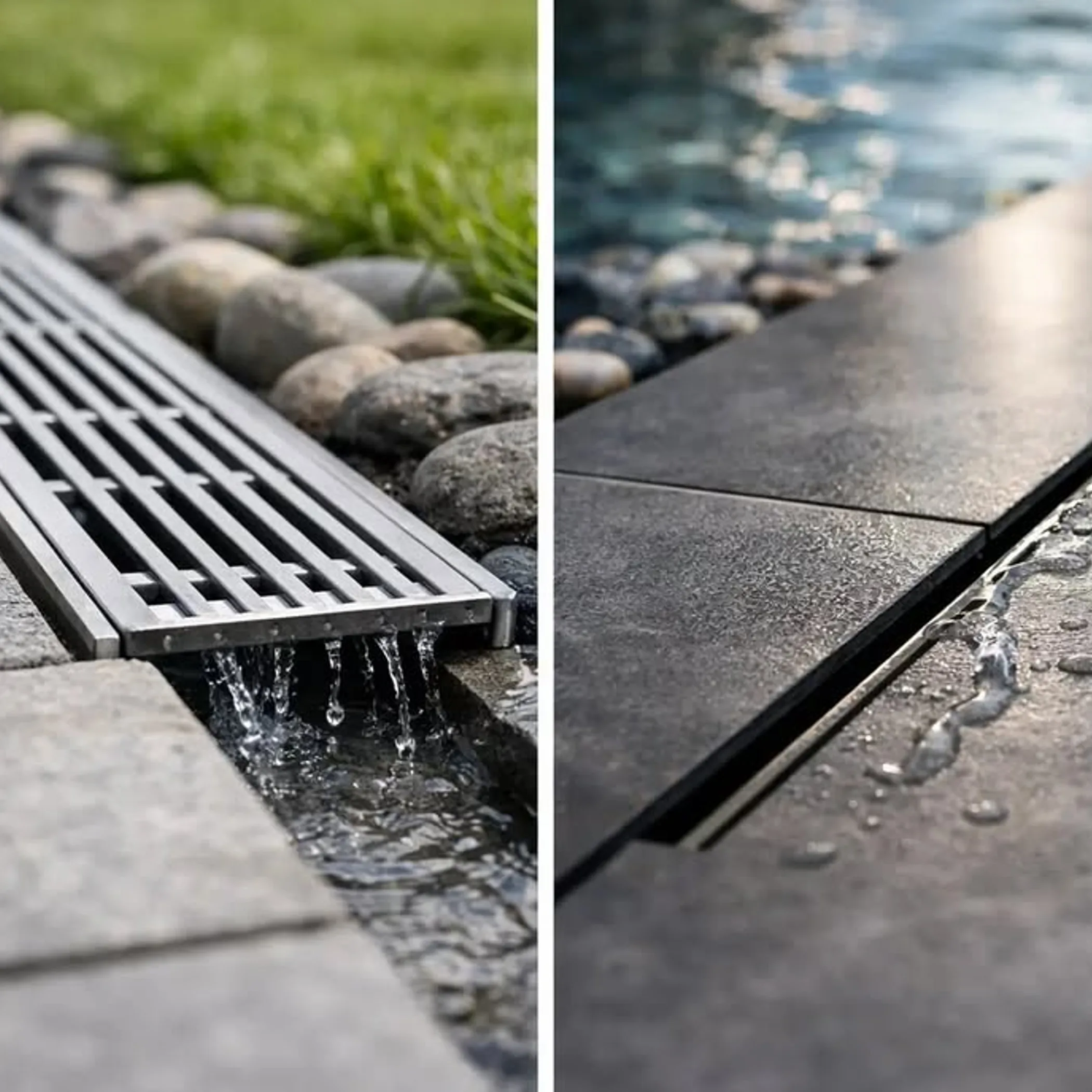
Preston residents making an emergency call should give the plumber the facts without delay: the type of property and suburb, access, what kind of waste or water is in question, if the main is off and any risk to persons. This will allow him to come prepared with the right equipment.
The mix of properties in Preston runs from business premises and apartments to renovated and older homes. Mention if the issue is in the vicinity of a gas appliance, stormwater or a boundary. Do not think a puddle tells the whole story.
Plan The Call-Out
Before the work is underway, enquire as to the fee structure for a call out, materials and payment. Whether fixed or hourly, after hours or otherwise, pricing is subject to the repair’s complexity and the like. One should be cautious of those who will not put the price structure in plain terms.
A contained matter like a tap that drips is best left to normal hours to save on cost. But if there is a gas hazard, a toilet that cannot be used or sewage backing up, putting off the call to get out of paying the fee will only result in more expense in cleaning and damage.
As for getting around, it is better to leave the property open to the plumber than to run out and get parts. If you have to be away, see that a responsible adult is there to let the plumber in and that the pets are put away. One should not be tempted to go back on a whim because the train or tram is at hand after using public transport to put some distance between oneself and a gas evacuation.
| Problem | Call Urgency | Immediate Response |
|---|---|---|
| Burst pipe, serious plumbing leak | Immediate in the event of uncontrolled water or proximity to electricity | Turn off the main stop tap, put valuables out of harm’s way |
| Toilet blockage or a drain that is blocked | Urgent where sewage is evident or there are multiple fixtures involved | Cease use of any fixtures and do not flush |
| Leaking hot water unit | Any risk of fire, steam, heavy leaking or electrical hazard is an immediate matter | If it can be done safely, cut off the energy and water |
| Sewer backup, overflow of sewage | The risks to property and hygiene make this an immediate call | Shut off household water and keep people at a remove |
| A gas leak is suspected | An emergency; the gas service is to be used first | Get out and do not touch a switch, then make your call from outside |
Frequently Asked Questions
Online plumbing advice has its rough edges so one sees these questions a good deal. What is safe will hinge on the fault at hand, the property and the state or territory in which the work is being done.
What Is The 135 Rule In Plumbing?
We have been supplied with no information for this article that would define “the 135 rule” as a national standard in Australia. It could be a local business practice or a piece of context specific advice or training shorthand. Put it to a licensed plumber or the state regulator for a definition before making it part of an emergency plan.
What Are The Most Common Plumbing Problems?
You will come across leaking taps, low or variable water pressure, faulty hot water units, damaged or burst pipes, flexible hoses that are leaking and blockages in the toilet or drains. Uncontrolled leaks, a suspected gas leak or sewage overflow are the most pressing as they are a threat to the property, sanitation and safety.
Is There A Plumber Shortage In Australia?
It varies by trade, suburb, time and state as to what is available in the workforce. We cannot give you a shortage number for the whole of the country. For something urgent, put in a call to a few of the local emergency services, lay out the risk and find out when they can get there.
What Are The Latest Statistics On The Plumbing Industry In Australia?
I am not going to put a figure in here without verification. The data, how it is defined and the reporting period will see industry numbers change. See what the Australian Bureau of Statistics or a government publication has to say on the matter and check the date and coverage for the latest.
Should I Call A 24/7 Emergency Plumber?
When sanitation has broken down, a hot water unit is a hazard, water is getting into the property or a major leak is putting electrical systems in jeopardy, then yes. But a minor blockage, planned replacement or a drip that is contained can be left to a regular appointment as long as it does not worsen.
Make The Safe Call
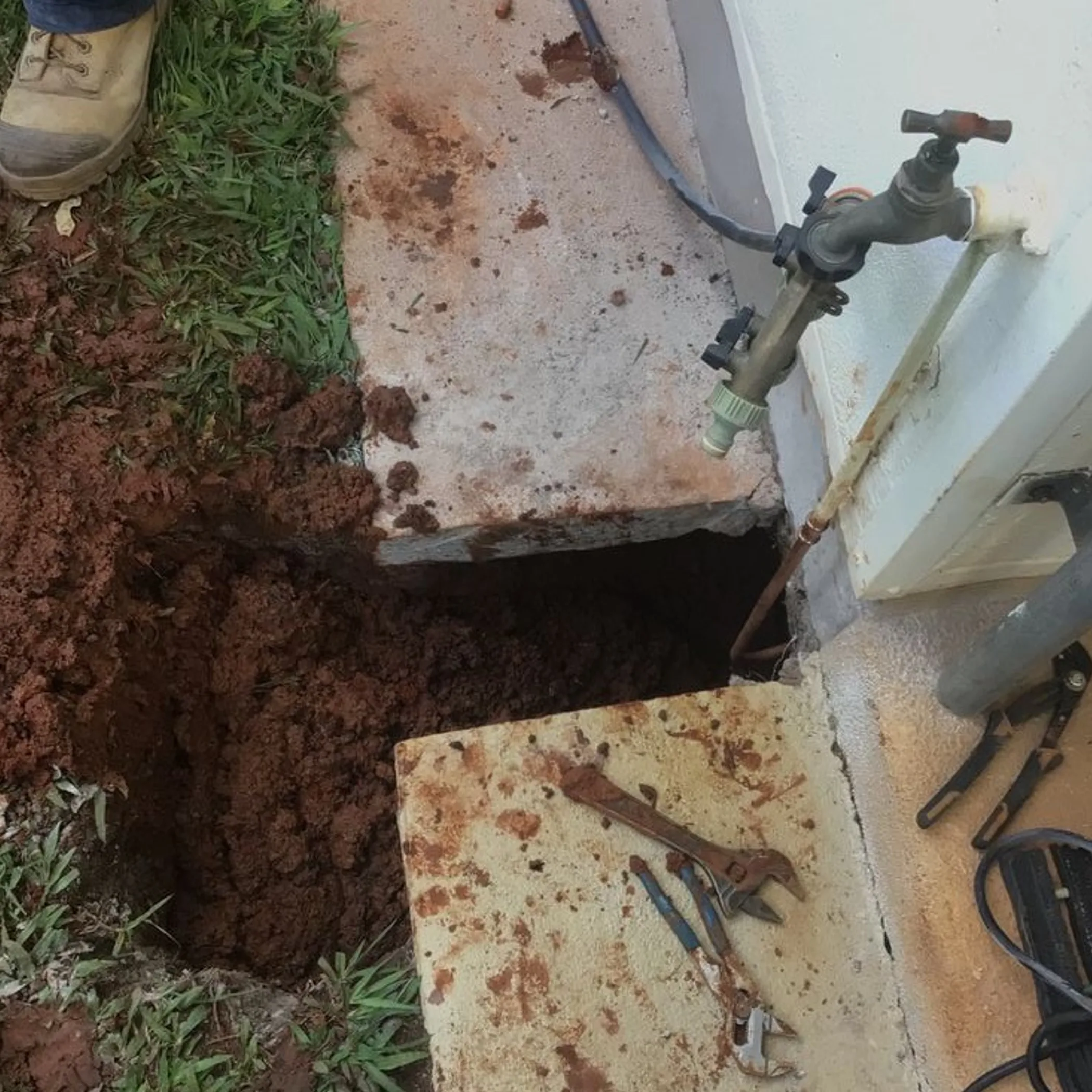
There is a practicality to it: describe the problem in plain terms, stay away from anything unsafe to repair and do what you can to isolate the situation and shield people from water and sewage. Whether in Preston or anywhere in Australia, speed is of the essence if there is a spreading leak, failing sanitation or the possibility of gas.
Plumbing emergencies are as much an ordinary part of the home as their timing can be extraordinary, so do not be put off by embarrassment. With a qualified professional and a level headed approach to begin with, a wet patch is less likely to turn into a saga.