A lack of hot water, erratic temperatures, leaks, discoloured or rusty water, uncharacteristic noises and an uptick in energy bills are all indications that your water heater would be well served by a professional’s eye.
Household plumbing has a habit of not being convenient, I have found. The trouble will show up when one is running behind for work, the children want their baths or you can not find a clean towel. I am Lucy McIntyre and this guide will tell you what these warning signs amount to, what is safe to check on your own and at what point to let a plumber handle it.
Spotting a problem early
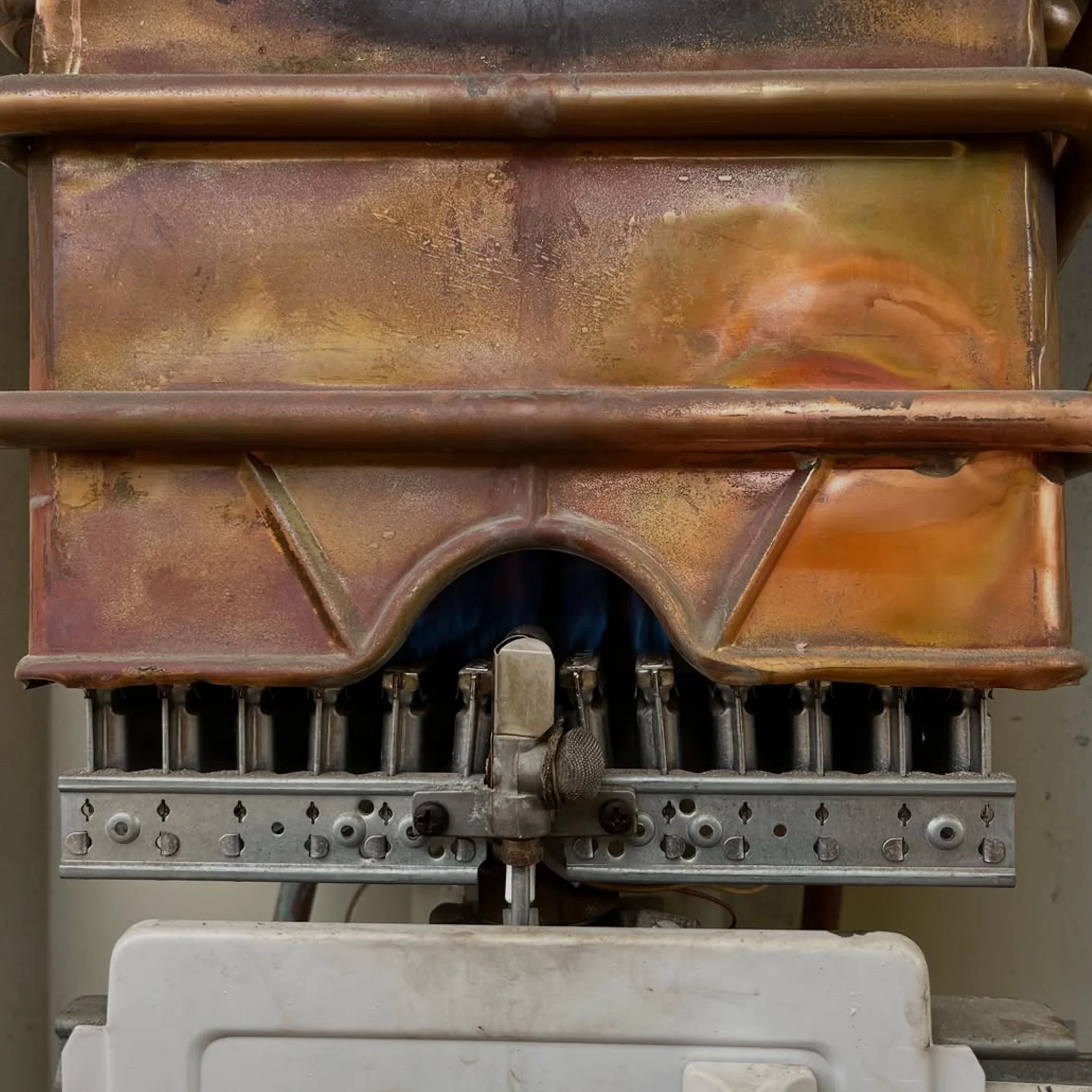
It is better to put in for a repair on the strength of an early warning than to end up with water damage, a safety hazard or having to replace the whole system. You do not have to wait for the hot water system to be entirely non functional to give it some consideration. For local issues, St Albans hot water fixes can help.
While the practical clues are much the same, an electric or gas hot water system, a heat pump or a solar system with storage tank (all common in Australian homes) will each fail in its own way.
| Warning Sign | Possible Cause | What to do |
|---|---|---|
| No hot water or very little of it | A heating element or thermostat has given up, or there is an electrical or gas fault | Have a look at the controls and then get a professional to diagnose it |
| Temperature is not constant | Could be the tempering valve, a faulty thermostat or an uneven supply | Book an inspection and do not put faith in the system |
| Water pooling by the unit | Tank failure, corrosion, a bad valve or a connection that is not tight | Urgent repair is needed; isolate the supply where you can |
| Rusty water with an odour | The sacrificial anode is gone, there is sediment or corrosion | Discolouration that keeps happening should not be put off |
| Popping or rumbling | Sediment in the storage tank | Let a plumber decide if it is time for a service or something new |
Most systems in the home will see 8 to 15 years of use but usage, how well it was installed and maintenance can alter that. An old system with a few ailments warrants a good looking over even if age is not enough reason to replace it.
Getting your hot water back to normal
There is no clearer indication of a problem than hot water just stopping. It could be a simple matter, yet to keep relighting a gas appliance or resetting a tripped switch without knowing why is asking for trouble.
Do it safely
With an electric system, from a dry spot check the household switchboard. Should the circuit breaker or hot water safety switch have tripped, the manufacturer will have instructions for a reset. But if it happens again, put it down and get an electrician or licensed plumber.
As for a gas system, see if the other appliances are in order. Do not tinker with the connections or remove any covers, and if there is a smell of gas, step clear of the appliance and ring the emergency service or a professional.
Give a storage tank time to recover after heavy use. Cold water after the normal heating cycle could mean the control system, burner, thermostat or element is on its last legs.
When cold is a serious matter
If you are getting nothing but cold and there is also leaking, water near the wiring, strange sounds from the electrics or a burning smell, then it is more than an inconvenience and needs to be seen to as a matter of urgency.
People are apt to think a cold shower is down to a failed heating element but a leak in the tank or internal corrosion can be a bigger issue. Make a note of the make and model and take a picture of the unit before you call. See if it is every tap or just one outlet.
Unsteady temperatures
Not only is an inconsistent temperature uncomfortable in the shower but it is a scalding risk and may indicate the system is having trouble with regulation. A damaged element, the cold-water supply, water pressure or a tempering valve can be to blame. If it is only one tap acting up, the source of the problem is likely the fitting and not the water heater.
There is a need for safe temperature control in Australian homes that have storage systems; the water put out at an outlet has to be regulated and what is stored must be sufficiently hot for hygiene. One can find the Government’s guidance on hot water systems for an overview of the principal types and energy issues involved.
Thermostats, tempering valves and safety controls are not to be tampered with. A lower setting might seem like a way to cut energy use but it raises questions of hygiene, and upping the temperature at the outlet is a scalding hazard for the elderly or children.
Stop Leaks Before Damage
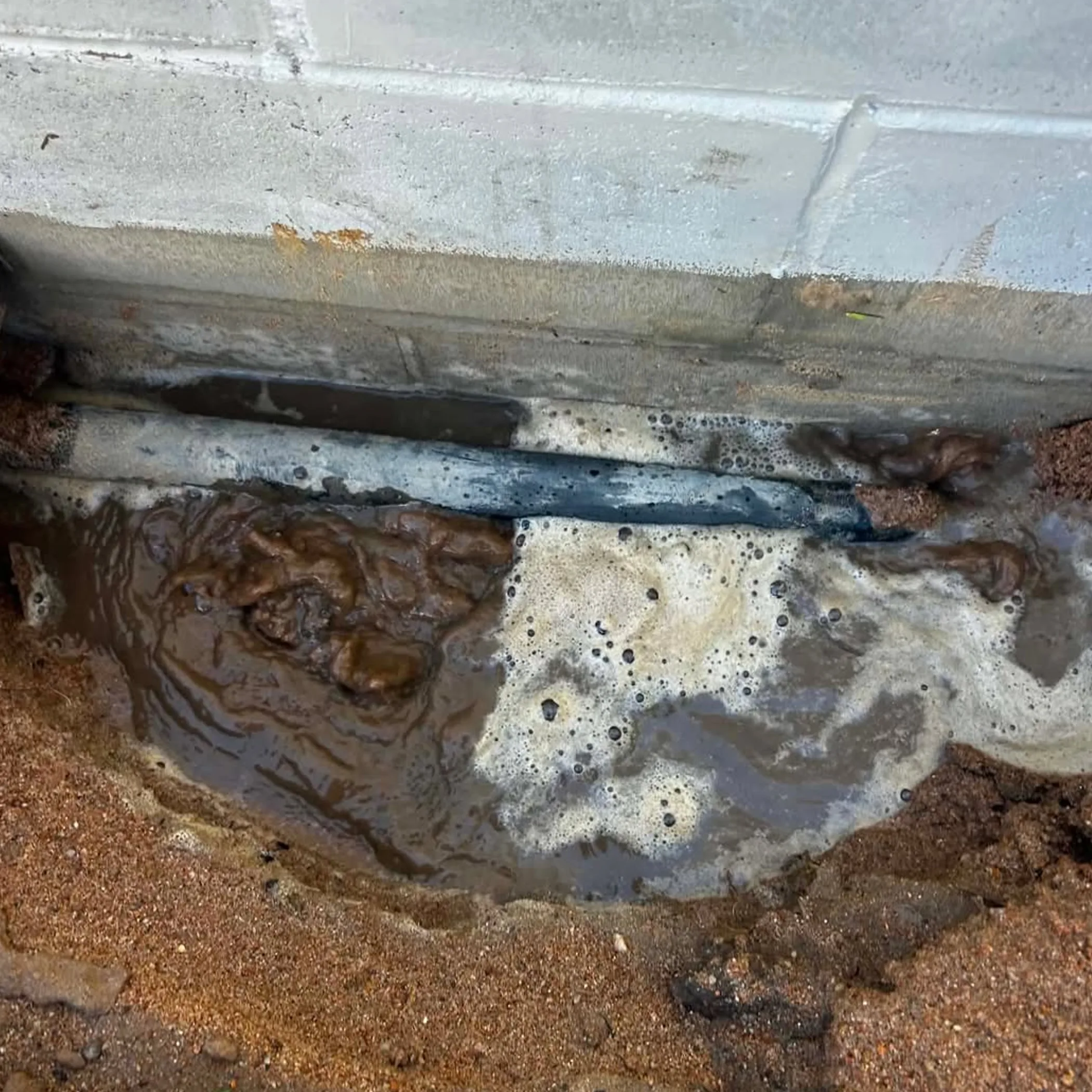
Do not put off a leak in your hot water system on the grounds it is a puddle that will dry up. Water about the pipework, a valve, relief outlet or the tank itself could be a sign of a connection issue or a tank in the process of corroding.
Distinguish Drips From Flooding
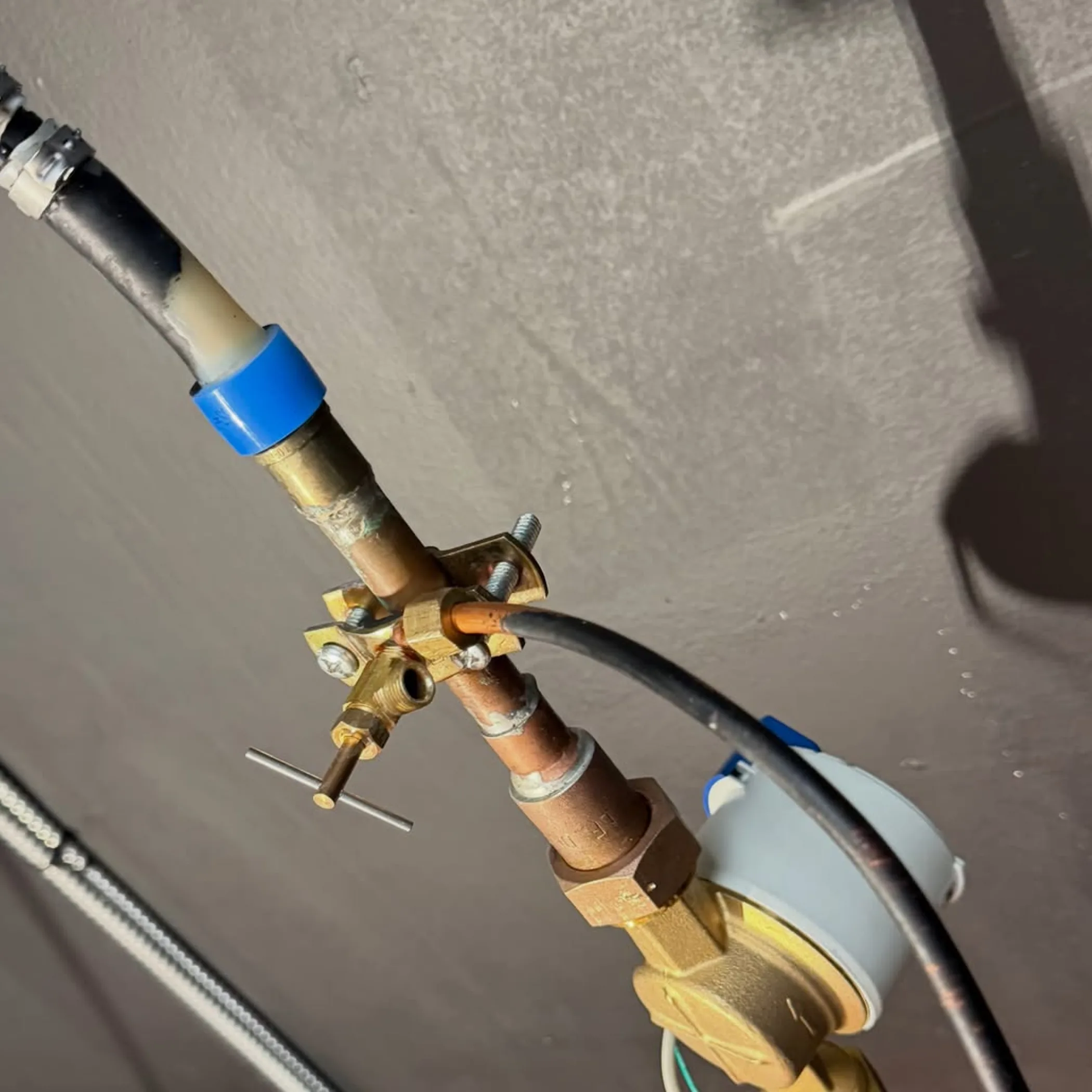
Normal operation may see some discharge from the temperature and pressure relief valve, but if there is regular dripping or pooling at the base, or a forceful discharge, have a professional look at it. Under no circumstances should one block or tie up a relief valve; it is there for safety, not as an irritation.
Should water be running and you are able to do so with safety, shut off the unit’s supply. An electric system requires the power to be cut, though do not make contact with any switches while in water. With gas appliances, stay clear and get a licensed hand.
Rental occupants should put in a call to the property manager without delay and take some photos of the extent and location of the water. For those in their own home, make room around the heater for the plumber, clearing away the boxes, bikes and other detritus that tends to collect in an Australian garage and has not been touched in decades.
Tank Corrosion
Economically speaking a storage tank leaking from the body is beyond repair. You can replace a valve for an external leak but when the tank is corroded it is time for a new system. The fact the system is having to reheat replacement water also means higher consumption of energy and water. If the meter is moving with all taps off, do not wait for a cupboard to flood before calling for an inspection.
Water That Is Rusty Or Smells
Corrosion, sediment or bacteria in the system will show themselves in the form of cloudy or foul smelling hot water, or rust. There is a simple enough reason for a change in colour following some plumbing, but it is something to attend to if it keeps happening.
When the cold tap is clear but the hot is rusty, the source is likely the hot water system, be it the tank or pipes. Discolouration from both would point to the supply at large.
An odour of rotten eggs can stem from chemical reactions in the tank or with the sacrificial anode. Flushing the tap is not a cure. Let a plumber examine the anode and the tank. As for cloudy water that contains air, it will clear in a glass; anything more persistent, or with a strong smell or odd colour, should not be used for cooking or drinking until the matter is resolved.
Unusual Noises
You will often hear a hot water system making strange noises before its performance is affected. Rumbling, gurgling, popping or banging can be indicative of sediment or pressure changes, or components overworking.
In an older tank, rumbling and popping are to be expected as sediment at the bottom is repeatedly heated and steam pockets form. This takes its toll on the heating system and its efficiency.
Banging in the pipes can happen with an abrupt stop in flow, whereas gurgling is down to air or water movement. But a noise that is getting louder or is accompanied by a leak is of a different order to a one off.
To help a plumber make a diagnosis, note when the noise happens, say after a shower or when another tap is closed. Do not try to open the tank or take the covers off to see for yourself.
Shorter Hot Water
If the hot water is not lasting as long, the system could be losing capacity even if the household has not changed. Then again, a new bathroom or a lot of laundry in a growing family will put a strain on a system already close to its limit.
A thermostat on the fritz, a heating element giving way, sediment in the storage tank or a leak that is siphoning off heated water are among the other culprits. With an electric system one might find a single element has failed in a bigger unit; a gas system can present burner or supply troubles.
To put some numbers to it, make a note of when hot water is used for the shower, laundry and dishwasher and when it runs out over the course of two days. There is more value in that than to claim “it has been a bit rough lately”. Should the recovery time have doubled with no alteration in the household’s ways, the system is calling for some attention.
Bills And Water Pressure
An escalating energy bill is often a mute indicator of a hot water system in decline. The apparatus will put out hot water enough, but it could be running longer or cycling with greater frequency, and poor insulation or worn parts will let heat escape. Do not be hasty in response to an aberrantly high account; compare bills from like periods. One must factor in any variance in electricity or gas rates as well as changes in occupancy, weather or use.
Then there is the matter of water pressure. A marked reduction may be due to a blocked filter, a valve or some restriction in the plumbing, or it could be a wider supply problem. Weakness at the hot taps alone warrants a different kind of inquiry than low pressure at all of them. Sharp fluctuations in pressure put undue strain on valves and their connections.
While energy efficiency is important, it is not always prudent to go to the expense of a new system just to see the bill come down. An expert will weigh the cost of repairs against what the system has left to give and the demands of the home.
Repair Or Replacement
The decision will hinge on the nature of the fault, how old the system is and its overall state, not to mention the tab for ongoing repairs. A sound diagnosis is worth more than any sales talk, particularly if the unit is still turning out hot water you can use.
When To Repair
If the tank is in good order and the trouble is with something easily reached like a control, valve, connection, heating element or thermostat, then a repair is reasonable. This holds for a modern system with a solid record of maintenance and an isolated defect.
Get a straight answer as to the price and the outcome, and what else might go wrong. Have the warranty in writing and file it with the rest of the appliance records.
Why You Might Replace
There comes a point where replacement is the better option: when the tank is leaking, there is extensive corrosion, the system is close to expiring or multiple parts are going at once. It is cheaper in the long run to plan a replacement than to keep making do with emergency fixes.
One can also take stock of running costs, location, capacity and recovery time. Bigger is not necessarily an improvement; an oversized tank is wasteful and an undersized one will leave the house without hot water.
For those in St Albans and the surrounding suburbs, it makes for an easier process with St Albans hot water fixes to have on hand a few photos of the unit, access information, where it is situated and a brief account of the symptoms. When the problem has to be put right in a day, make safety your first concern. Isolate the system where you must and put in an order with a licensed professional at the earliest opportunity; do not put it off until the unit is no good for anything.
This Quick Safety Checklist
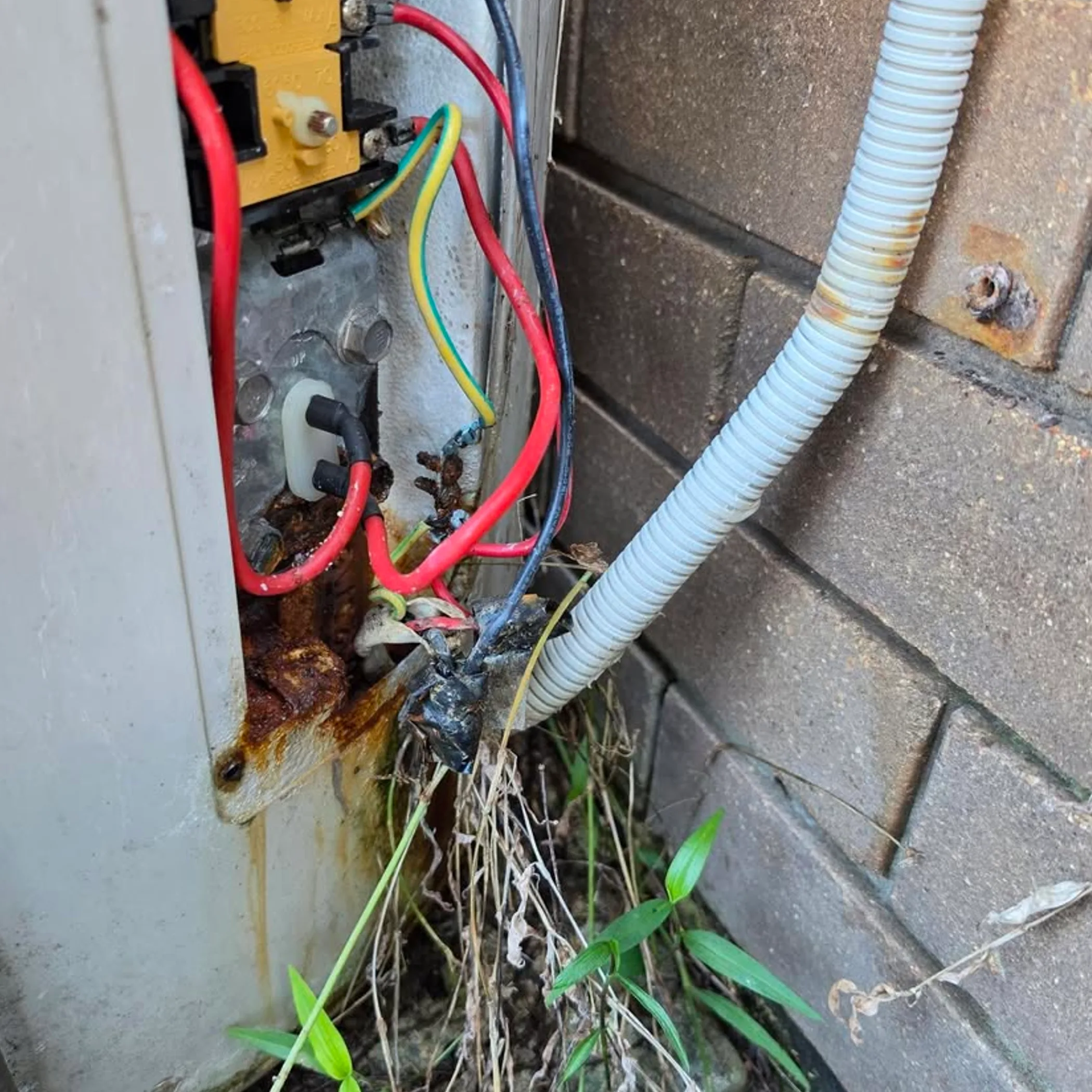
Run through this before you put in a call to the plumber to distinguish between what is worth noting and do-it-yourself that is risky.
- Make a note of the location, model, type and how old the system is.
- Put on camera any discoloured water, error codes, warning lights or leaks.
- Jot down if all the hot taps are involved and when the trouble began.
- Ensure children are not near electrical equipment, exposed pipework or hot water.
- Leave the covers alone, do not block a relief valve or tinker with gas connections.
Some Answers To Hot Water Questions
People are prone to certain errors in judging whether something needs to be replaced or mended; these questions will set the record straight. The internet may have you believe otherwise but the answer is usually not so dramatic, provided one is safe.
Is it time to replace my hot water system?
If there is a leak in the storage tank, advanced corrosion and the like, or the system is of an age and calling for more than one part to be fixed, then yes. A heating element or thermostat on its own is not cause for replacement. Have the cost of a repair put in writing against the service life left.
Signs of a hot water heater on its last legs
You will see them: inconsistent temperature, no hot water at all, rusty water, odd noises, slower recovery, higher bills and leaks. Any one of those could be easily explained but taken together they are telling you the system is failing and wants looking at.
Diagnosing problems with the hot water
Note the symptoms and any visible leaks or codes and see if the cold and hot taps are affected in different ways. From there a licensed professional will be in a position to put the valves, pressure, tank and the electrical and gas operation to the test. It is not something to dismantle on your own.
Do I need a new tank?
Frequent repairs, considerable corrosion or a body leak would indicate as much. But a fitting or valve can be put right, so be sure of the source of the water before deciding.
A leaking system: is it safe?
Not when the water is pooling or coming from a valve, or there are smells of gas or burning and it is getting at the electrics. In such cases you should isolate the system if you can, clear the area of people and get it seen to in a hurry.
Shower runs cold: take action
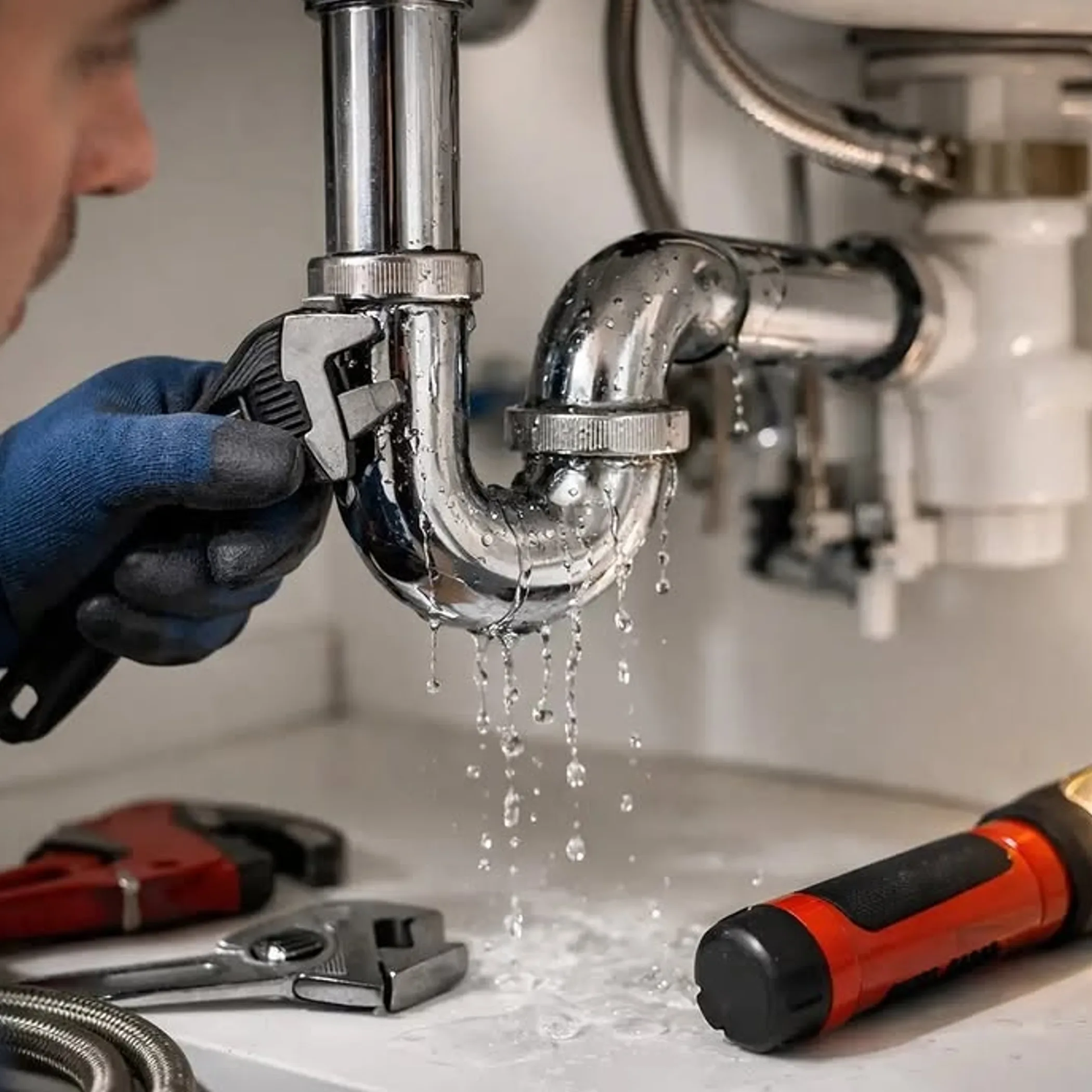
There is a straightforward rule to follow and it is the best one: let any change in performance inform you. Between the lack of hot water, the noise, the rust, the leaks and the bills, you have your indication that a repair or replacement is in order.
Put down your observations and stay away from unsafe fixes. Make the appointment with a plumber while the fault is still manageable and before it turns into an emergency or water damage. You will be glad of the forethought rather than finding yourself with soap in your hair at 6 am.